Prop trading is changing at lightning speed, and the landscape in 2026 is unlike anything traders have seen before. With the rise, fall, and transformation of firms like mff prop firm, navigating this environment can feel overwhelming. Recent controversies and regulatory shifts have left many questioning which firms are trustworthy and how to avoid costly mistakes. This guide delivers a clear, up-to-date overview of mff prop firm, helping you cut through confusion and seize new opportunities. Whether you are new to prop trading or seeking your next challenge, use this guide as your essential roadmap for success in 2026.
Understanding MFF Prop Firm: Background and Evolution
What is MFF Prop Firm?
The mff prop firm, known as My Forex Funds, emerged in 2020 as a proprietary trading firm focused on providing funded trading accounts to a wide range of traders. Its business model allows both beginners and experienced professionals to access significant trading capital after passing structured evaluations.
MFF prop firm offers various services, including multi-phase evaluation challenges, instant funding options, and scaling plans for those who perform well. The firm's global reach has led to a large and active trader community. By making trading capital accessible, MFF prop firm played a vital role in democratizing opportunities for aspiring traders.
For a detailed breakdown of trading features and account options, you can visit the MFF Trading Overview.
Major Milestones and Growth (2020-2026)
Since its founding, mff prop firm has marked several significant milestones. The firm quickly expanded its reach, launching new challenge types and introducing advanced analytics platforms. By 2023, MFF prop firm reportedly managed over $300 million from customers, highlighting rapid growth and high trading volumes.
Key milestones include:
- Launch of instant funding and scaling plans
- Expansion into new regions and asset classes
- Technology upgrades to trading dashboards and analytics tools
- Partnerships with leading fintech providers
Industry recognitions and an expanding customer base have solidified mff prop firm's reputation as a market leader through 2026.
Regulatory Challenges and Industry Impact
In 2023, mff prop firm faced a major regulatory challenge when the CFTC filed a lawsuit alleging fraudulent practices involving over $300 million in customer funds. This event led to operational changes, including increased transparency and stricter compliance measures. The website was temporarily shut down, causing concern among traders and prompting industry-wide scrutiny.
The aftermath led to:
- Heightened regulatory oversight for all prop firms
- Greater demand for compliance and transparency
- New standards for rule enforcement and customer protection
Traders and firms alike learned key lessons about due diligence, risk, and the importance of regulatory clarity in the evolving prop trading sector.
2026 Status: Is MFF Still a Viable Option?
As of 2026, mff prop firm remains active, though its reputation is mixed. Ongoing legal proceedings and business updates have shaped the firm's operations, with some new features and rebranded services introduced in response to past controversies.
Community sentiment is divided. Some traders express trust and loyalty, citing improved transparency, while others remain skeptical due to prior disputes. Recent reviews and forum discussions highlight a blend of positive accounts and lingering concerns about legitimacy and customer experiences.
Compared to previous years, mff prop firm now operates in a highly scrutinized environment, with ongoing debates about its long-term viability and trader satisfaction.

MFF Challenge Structure and Account Types Explained
The mff prop firm offers a diverse range of challenge models and account types to accommodate traders at different stages. Whether you are new to prop trading or an experienced professional, understanding these structures is crucial for making informed decisions and maximizing your potential with the mff prop firm.
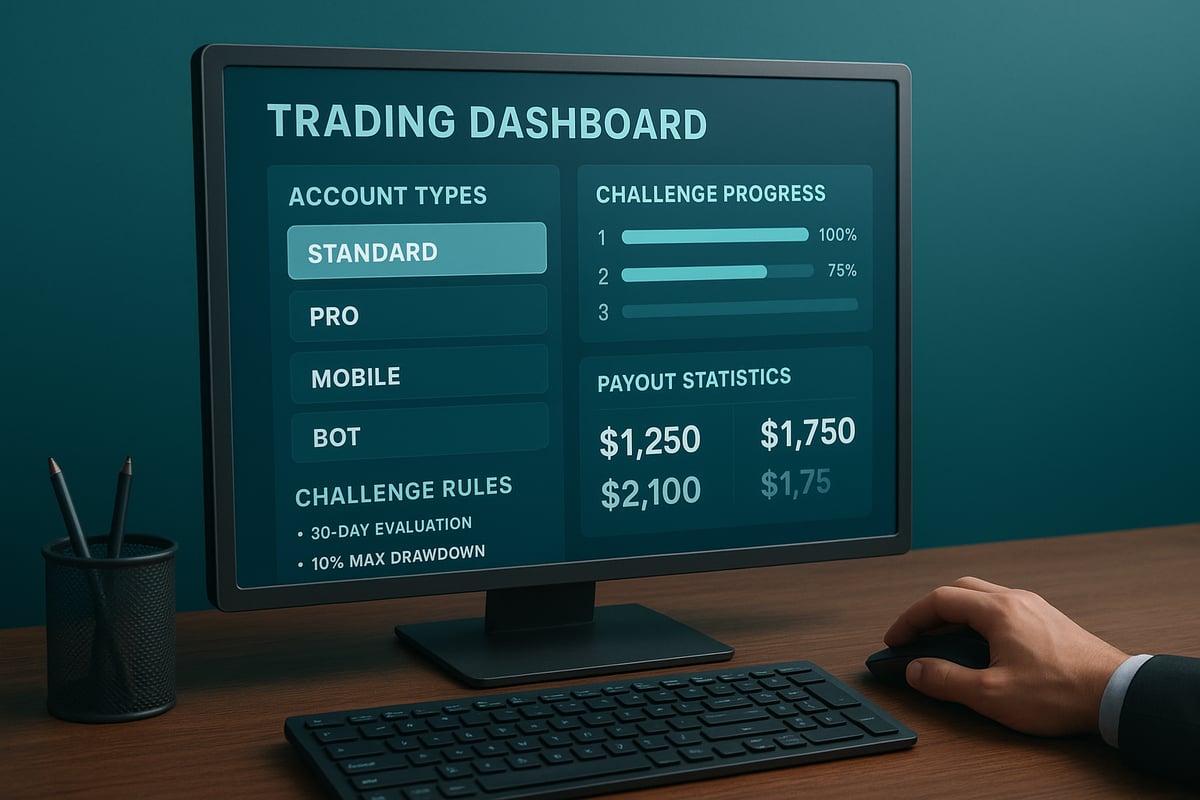
Types of MFF Challenges and Funded Accounts
The mff prop firm provides several pathways for traders to access funded accounts. Classic evaluation challenges typically involve a two-phase process, where traders must meet specific profit targets and adhere to risk parameters before qualifying for live funds. Instant funding options are also available, allowing traders to skip the evaluation phase for a higher upfront fee.
Account sizes range from small starter accounts up to $2 million, catering to varying risk appetites. The firm distinguishes between demo and live accounts, with scaling plans enabling successful traders to increase their capital allocation over time. For those seeking higher profit splits, the two-phase challenge is a popular choice.
Fee structures and account limits are updated regularly, reflecting industry trends and trader feedback. For a deeper look at challenge formats and how they compare, see this Prop Firm Trading Challenge Structure guide.
Rules, Objectives, and Trading Conditions
Every mff prop firm challenge comes with a detailed set of rules and objectives. Traders must carefully manage daily and maximum drawdown limits while aiming for defined profit targets within a minimum number of trading days. Accepted trading styles include manual strategies, algorithmic trading, and expert advisors, but some strategies—such as copy trading, arbitrage, and certain news trading techniques—are restricted.
Allowed instruments, trading hours, and leverage options can vary by account type. Automated rule enforcement and real-time monitoring help ensure compliance. Notably, there have been controversies regarding stop loss slippage and spread manipulation, highlighting the importance of understanding the trading environment before committing to a challenge.
Payout Systems and Profit Splits
The mff prop firm is known for offering competitive profit splits, with traders eligible to receive up to 90 percent of their profits. Payouts are typically processed on a bi-weekly or monthly basis, using a range of withdrawal methods. Successful challenge completion often results in a refund of initial fees, further enhancing trader profitability.
However, some traders have reported delays or issues in payout processing. Common payout timelines and satisfaction rates are frequently discussed in trading forums. Disputes over payout calculations or fee reimbursements are resolved through established processes, but transparency and promptness can vary case by case.
Technology, Platforms, and Broker Integration
Traders with the mff prop firm can access industry-standard platforms such as MetaTrader 4 and MetaTrader 5, alongside proprietary dashboards for performance analytics. Broker selection is a key consideration, as execution quality, spreads, and server stability impact trading results.
There have been reports of server issues, slippage, and occasional platform outages. Integration with analytics tools provides valuable insights into performance metrics and risk management. Mobile access and user-friendly account management features support flexibility, though some users have experienced difficulties during periods of high market volatility.
Pros and Cons of MFF Challenge Models
The mff prop firm challenge models offer several advantages, including low entry barriers, flexible account sizes, and the potential for high payouts. These features make the firm attractive to a wide range of traders. However, strict rules, the risk of disqualification, and technical issues such as platform instability can present significant challenges.
Community feedback presents a mixed picture. Positive reviews highlight transparency and opportunities for growth, while negative experiences often center on rule enforcement and technology reliability. As of 2025, review scores averaged 2.04 out of 5 based on 49 reviews, indicating room for improvement in key areas.
Trader Experiences: Reviews, Scams, and Success Stories
The mff prop firm has been a focal point for traders worldwide, attracting both praise and criticism. Understanding real trader experiences is crucial for anyone considering a prop firm challenge in 2026. In this section, we will explore the diverse range of reviews, alleged scams, customer support quality, and practical lessons from the mff prop firm community.

Common Positive Experiences and Success Stories
Many traders report that the mff prop firm offers a fast account setup and responsive onboarding process, especially for those new to prop trading. Some highlight receiving significant payouts, with stories of individuals earning over $40,000 after successfully completing challenges.
Low spreads and competitive commission rates are often cited as advantages, making trading conditions favorable for both manual and algorithmic strategies. Community engagement stands out, with active Discord channels and social media groups where traders share tips, celebrate milestones, and discuss strategies.
Several reviews mention successfully scaling their funded accounts, demonstrating the mff prop firm’s potential for growth. Transparency in challenge rules and consistent improvements to the platform have also received praise from experienced traders.
Negative Reviews and Scam Allegations
Despite positive accounts, the mff prop firm has faced serious allegations and persistent negative reviews. Common complaints include platform manipulation, such as unexplained slippage and delayed order execution, which some traders believe unfairly impacts their results.
Numerous users have reported sudden account bans, often for alleged rule violations they claim were not clearly communicated. Customer service frustrations are frequent, with traders citing slow or dismissive responses when seeking help. Technical issues, including website outages and inaccessible accounts, have resulted in lost fees for some participants.
One of the most significant events was the 2023 fraud case brought by the CFTC, which accused the mff prop firm of misusing over $300 million in customer funds. For details, see the official CFTC Charges My Forex Funds with Fraud press release. This controversy led to a temporary shutdown and heightened skepticism among traders.
Customer Support and Dispute Resolution
The quality of customer support at the mff prop firm has been a mixed bag according to user reviews. While some traders mention prompt live chat responses during the initial stages, others report long wait times and unresolved complaints, especially after encountering technical issues or payout delays.
Dispute resolution processes appear inconsistent. Some traders successfully received refunds or had disputes addressed, especially when they provided thorough documentation. Others, however, were denied refunds without clear explanations, leading to frustration and negative feedback.
Community forums advise traders to document all interactions with the mff prop firm and escalate issues through official channels if needed. Data from reviews suggests support satisfaction rates remain below industry averages in 2026.
Security, Trust, and Transparency
Security concerns persist among mff prop firm users, particularly regarding unauthorized trades and unexplained account activity. Some traders have reported instances of “ghost trades,” where positions appear without their input, raising questions about platform integrity.
The mff prop firm claims to prioritize data protection and account security, implementing multi-factor authentication and encrypted communications. However, transparency in rule enforcement and payout calculations is an ongoing concern, with some users feeling that explanations for disqualifications or withheld payouts lack clarity.
Compared to other leading prop firms, the mff prop firm scores lower on trust and transparency according to recent industry surveys. This has prompted traders to seek out firms with clearer compliance practices and third-party audit reports.
Lessons Learned and Trader Tips
Success with the mff prop firm requires a strong understanding of the rules before starting any challenge. Many experienced traders emphasize the importance of reading all terms, monitoring updates, and tracking account metrics closely to avoid accidental violations.
Conducting due diligence is essential. Research the firm's regulatory status, read independent reviews, and engage with community forums for up-to-date insights. Effective risk management—such as setting conservative stop losses and limiting daily exposure—can improve the odds of passing challenges.
Key advice from seasoned mff prop firm users includes:
- Always screenshot account metrics before and after trades
- Use community resources to clarify ambiguous rules
- Avoid high-risk strategies that could trigger automated disqualification
By learning from both positive and negative experiences, traders can navigate the mff prop firm landscape more confidently and protect their interests.
Regulatory Landscape and Compliance for Prop Firms in 2026
Navigating the regulatory environment for prop trading firms has never been more critical. In 2026, traders and firms alike must understand the evolving landscape, especially as the mff prop firm and the industry adapt to new standards. Let’s break down the key regulations, their impact, warning signs to watch for, and what the future holds.
Key Regulations Affecting Prop Firms
The mff prop firm operates in a global environment shaped by major regulatory bodies such as the CFTC in the US, FCA in the UK, ASIC in Australia, and ESMA in Europe. These authorities set strict compliance requirements, including anti-money laundering (AML) protocols, know-your-customer (KYC) checks, and operational transparency.
In 2026, the industry has seen increased oversight. The FINRA’s 2026 Regulatory Oversight Report outlines heightened expectations for proprietary trading firms, emphasizing real-time reporting, risk controls, and trader protections. The CFTC’s $300 million enforcement action against mff prop firm in 2023 set a new precedent, prompting more firms to adopt robust compliance frameworks.
Firms now face regular audits, must disclose conflicts of interest, and are required to report suspicious activity promptly. These measures aim to protect both traders and the integrity of the financial system.
How Regulation Impacts Traders and Firms
Regulatory changes have directly influenced how mff prop firm structures its accounts and payout systems. Enhanced scrutiny has led to stricter rules around account security, withdrawal methods, and transparency in challenge structures. For many traders, these changes mean greater protection, but also more documentation and verification steps before accessing funded accounts.
The CFTC’s case against mff prop firm, and its subsequent dismissal as reported by Court Dismisses CFTC Case Against My Forex Funds, highlighted the importance of clear operational practices. Even after the court’s decision, the case left a lasting impact on industry reputation and trader confidence.
As a result, more firms are implementing regular compliance training for staff and offering transparent dispute resolution processes to reassure clients.
Red Flags and Due Diligence for Traders
Choosing a reliable mff prop firm in 2026 requires vigilance. Traders should look for clear regulatory disclosures, visible licensing information, and transparent business practices. Warning signs include vague terms of service, lack of contact information, and poor online reviews.
Here’s a quick due diligence checklist:
- Verify regulatory registrations and licenses
- Review challenge rules and payout conditions
- Check for consistent communication from support teams
- Research community feedback on forums and watchdog sites
The mff prop firm controversy in 2023, marked by a sudden website outage and customer fund disputes, serves as a key example of red flags that traders should never ignore. Always cross-reference firm details with official regulatory databases before committing funds.
The Future of Prop Trading Compliance
Looking ahead, the regulatory environment for mff prop firm and its peers is expected to become even more sophisticated. Authorities are rolling out advanced monitoring technologies, automated reporting tools, and third-party verification services to enhance transparency.
Industry associations are emerging to set voluntary standards, offering independent audits and certification programs. For traders, these developments create a safer, more predictable landscape. The rise of compliance technology means fewer surprises and more opportunities to succeed within a well-regulated market.
As compliance becomes central to success, both firms and traders must stay informed and proactive to thrive in the evolving world of prop trading.
Top Alternatives to MFF Prop Firm in 2026
Navigating the prop trading world after the mff prop firm controversy requires careful evaluation of new and established firms. With shifting regulations and evolving trader expectations, it is crucial to know what sets top alternatives apart in 2026. This section explores how to choose the right prop firm, highlights leading contenders, and offers practical steps for transitioning away from MFF.
Criteria for Choosing a Prop Firm
Selecting the best alternative to mff prop firm means focusing on transparency, funding models, and support quality. Start by comparing challenge-based and instant funding options, as each suits different trading styles. Examine clarity of rules, profit split percentages, and fee structures.
Consider the following table to evaluate key criteria:
| Criteria | Importance |
|---|---|
| Transparency | High |
| Payout Speed | High |
| Support Quality | Medium |
| Rule Clarity | High |
| Account Sizes | Medium |
Community recommendations and verified user reviews are also essential for identifying prop firms that consistently deliver on their promises. For an in-depth guide to prop firm evaluations, see the Prop Firm Evaluation Guide.
Leading Prop Firms to Consider in 2026
After the mff prop firm fallout, several reputable firms have risen to prominence. These include prop firms offering robust compliance, fair challenge structures, and timely payouts. Look for companies with strong track records, positive customer ratings, and clear regulatory standing.
Alternatives such as FTMO, The Funded Trader, and Best Funded are frequently mentioned for their transparent processes and high satisfaction rates. To compare current leaders and their features side by side, visit the My Forex Funding Alternatives page for a detailed breakdown of each firm’s strengths and weaknesses.
How to Transition from MFF to Other Prop Firms
Moving from mff prop firm to a new provider involves several steps. First, close any open accounts and settle outstanding payouts or disputes. Carefully review the new firm’s rules, as challenge structures and trading conditions often differ.
Adapt your trading strategy to fit the new environment, and take advantage of community resources like forums and Discord groups for migration support. Many traders have successfully transitioned by maintaining flexibility and staying informed about changes in the industry. Following a structured approach can minimize disruptions and ensure a smooth shift to a more reliable prop firm.
Best Funded: Empowering Traders with Transparent Funding
Best Funded stands out among mff prop firm alternatives by offering clear evaluation paths and multiple challenge options. Traders benefit from up to 90% profit splits, transparent rule enforcement, and global customer support.

The platform addresses common pain points seen with MFF, such as payout delays and ambiguous rules. Many users have achieved funded status and report consistent, timely withdrawals. Data from Best Funded highlights growing user satisfaction and a rapid increase in funded accounts, making it a top choice for traders seeking reliability and growth.
Community Insights and Ongoing Trends
The mff prop firm situation has sparked greater engagement in trader communities. Active discussions on Discord, industry forums, and social media channels help traders share experiences and recommend trustworthy firms.
Key trends include a preference for flexible funding models, enhanced security features, and responsive customer support. Community-run review aggregators and watchdog groups have become essential for tracking firm reputations. These collective insights contribute to shifting popularity among prop firms and encourage higher standards across the industry.
As we’ve explored, navigating the prop trading world in 2026 means staying informed, understanding the rules, and choosing partners that truly support your growth. If you’re ready to put your skills to the test with transparent challenges, flexible funding paths, and the chance to keep up to 90% of your profits, there’s no better time to take the next step. You deserve a prop firm that puts your interests first, with clear rules and real support from day one. If you’re serious about trading success, start today and see where your talents can take you.